

Last Updated on May 6, 2026 by Alphabet Insider Staff
Alphabet just had one of its best quarters ever, here’s the part that affects you
Alphabet just posted one of its best quarters in years, and the numbers are hard to ignore. But behind the record revenue and soaring cloud growth is a story that touches nearly every Google product you use every day, from Search to YouTube to the Gemini AI tools increasingly baked into your life. Here’s what the Q1 2026 earnings report actually means for you, whether you’re a consumer, a small business owner, or an investor.
The Headline Numbers: $109.9 Billion in Revenue
Alphabet’s first-quarter revenue came in at $109.9 billion, a 22% jump from the same period last year, and the company’s 11th consecutive quarter of double-digit revenue growth. Net income surged 81% to $62.58 billion. Earnings per share hit $5.11, nearly double what Wall Street’s analysts had penciled in at $2.62.
To put that in plain terms: Google’s parent company is making more money, faster, than at almost any point in its history. And it’s doing it while investing at a scale that few companies in any industry have ever attempted.
For everyday users, this isn’t just a Wall Street story. It tells you where Google is putting its resources, which products it’s betting on, and what your experience with Google tools is likely to look like over the next year or two.
Google Search Is Alive and Growing. AI Didn’t Kill It.
For the past couple of years, the biggest question hanging over Google has been whether AI chatbots like ChatGPT would eat into Search. Q1 2026 gave a clear answer: not yet, and maybe not at all.
Search and other revenue grew 19% year over year to $60.4 billion, with search queries at an all-time high. CEO Sundar Pichai noted that AI features, specifically AI Overviews, the summaries that now appear at the top of many search results, are actually driving more usage, not less.
What this means for you: the Search experience you use daily is getting more AI-powered features, not getting replaced. Alphabet is actively expanding ad coverage within AI-generated results, so expect to see more ads woven into those AI summaries over time. It’s a trade-off: more relevant answers at the top, more ads alongside them.
YouTube advertising also grew 11% to $9.88 billion, though it came in slightly below analyst expectations of $9.99 billion. That small miss aside, YouTube’s ad business remains enormous and shows no signs of slowing down.
Google Cloud’s 63% Growth Is the Biggest Signal in the Report
If there’s one number that defines this earnings report, it’s Google Cloud’s 63% revenue growth. Cloud revenue hit $20.03 billion for the quarter, the first time it’s crossed the $20 billion threshold, up from $12.26 billion a year ago.
The cloud backlog nearly doubled quarter over quarter to over $460 billion, according to Alphabet’s official earnings release. That backlog represents contracted revenue that hasn’t been recognized yet: signed deals from businesses and enterprises that have committed to Google Cloud for years to come. To put it in perspective, Google Cloud’s full-year 2025 revenue was $58.7 billion. A backlog of $460 billion is a completely different scale of business.
Pichai was direct about where this growth is coming from: “Our enterprise AI solutions have become our primary growth driver for cloud for the first time in Q1.” Gemini Enterprise, Google’s AI product for business customers, grew paid monthly active users 40% quarter over quarter.
What this means for you: if you work at a company using Google Cloud, expect your employer to lean harder into Google’s AI tools for internal workflows, data analysis, and automation. If you’re a small business owner using Google Workspace, Gemini-powered features will likely become more prominent and more capable throughout 2026.
350 Million Paid Subscriptions: Gemini Is Driving It
Alphabet now has 350 million paid subscriptions across its services, with YouTube Premium, YouTube Music, and Google One as the main drivers. The company called this its strongest quarter ever for consumer AI plans, fueled specifically by Gemini App adoption.
Google One, the subscription that bundles extra Drive storage with Gemini Advanced access, is clearly gaining traction. If you’re already a Google One subscriber, expect to see Gemini features getting more capable and more integrated into Gmail, Docs, Drive, and Maps throughout the year.
If you haven’t yet tried Gemini Advanced, Alphabet’s numbers suggest millions of people are paying for it. That scale of adoption typically means faster product improvements, more integrations, and more competitive pricing over time.
Alphabet Is Spending $180–190 Billion on AI Infrastructure This Year
Here’s where the story gets complicated. Alphabet raised its full-year 2026 capital expenditure guidance to $180–$190 billion, up from the prior estimate of $175–$185 billion. CFO Anat Ashkenazi went further, saying 2027 capex will “significantly increase” compared to 2026.
That’s an almost incomprehensible amount of spending, mostly on data centers, servers, and AI infrastructure. For context, Alphabet spent $35.7 billion in capital expenditures in Q1 alone. The company even acknowledged it’s currently “compute constrained,” meaning cloud revenue would have been even higher if it had more capacity built out.
According to Futurum Research’s analysis, over half of that $460 billion cloud backlog is expected to convert to revenue within the next 24 months, which explains why Alphabet is willing to spend so aggressively now.
What this means for you as a consumer: better, faster AI tools built on more capable infrastructure. What it means for investors: free cash flow will face pressure for at least the next two years as this spending ramps up. The bet is that the AI revenue pays back the infrastructure cost. Q1 2026 suggests it’s already starting to.
Waymo Crossed 500,000 Autonomous Rides a Week
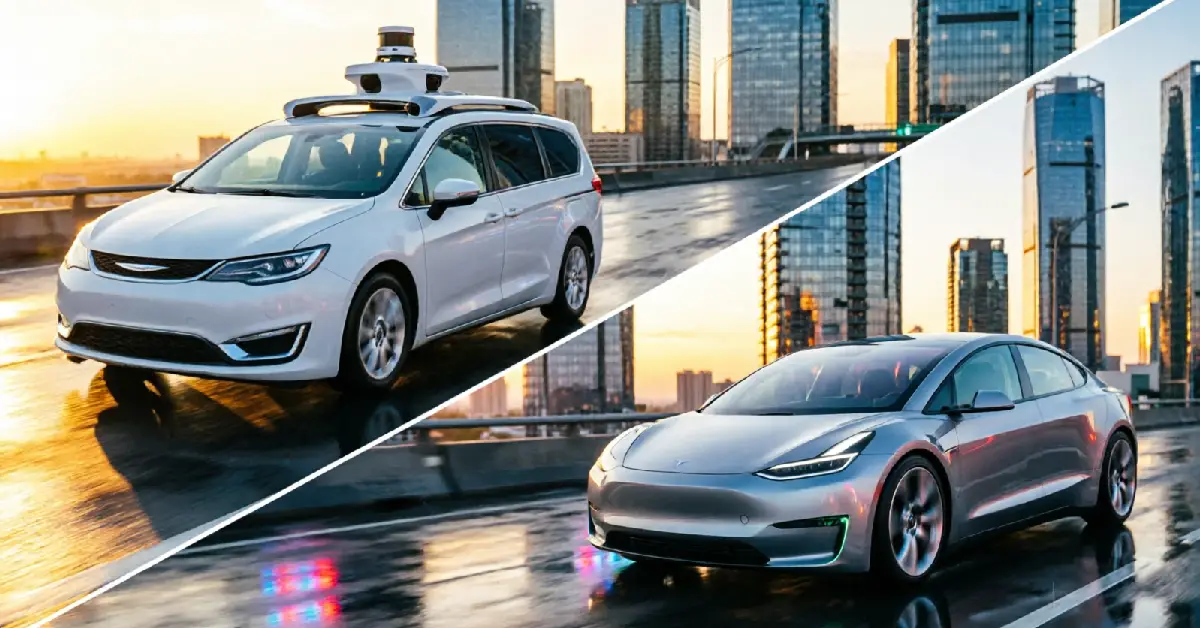
Buried in the earnings report but worth noting: Waymo now surpasses 500,000 fully autonomous rides per week, and it’s expanded to 11 major U.S. cities including Nashville. That’s doubled in less than a year.
Waymo isn’t a meaningful revenue contributor for Alphabet yet. The “Other Bets” segment (which includes Waymo) lost $2.1 billion in Q1 while generating only $411 million in revenue. But the operational scale is accelerating fast. If you live in one of those 11 cities, you may already have access. For everyone else, the geographic expansion is continuing.
Should You Buy GOOGL Stock?
This article isn’t financial advice, and you should consult a licensed financial advisor before making investment decisions. That said, here’s the factual picture: Alphabet’s stock surged roughly 10% in after-hours trading following the earnings release, before giving back a small portion of those gains. The earnings per share of $5.11 beat the consensus estimate by roughly 95%.
The main risk factor the market is pricing in is that enormous capex commitment. When a company says it will spend $180–$190 billion in a single year, and more the year after, investors reasonably ask whether that spending will generate sufficient returns. Google Cloud’s explosive growth suggests it will, but the payback window is multi-year, not immediate.
Alphabet also raised its quarterly dividend by 5% to $0.22 per share, signaling confidence from its board in the company’s long-term cash generation.
The Bottom Line
Alphabet’s Q1 2026 earnings report tells a clear story. Google Search isn’t dying. It’s growing, and AI is making it stickier, not replacing it. Google Cloud is in a different league than it was 12 months ago, driven entirely by enterprise AI demand. And Alphabet is making an all-in bet that AI infrastructure built today becomes the engine of revenue for years to come.
For most people, that translates to a Google experience that gets more AI-powered across every product: Search, Gmail, YouTube, Maps, Workspace and more, throughout 2026 and beyond. The question isn’t whether Google will integrate more AI into your daily life. It’s already happening. The question is whether you get value from it.
Based on these numbers, Alphabet is counting on the answer being yes.